SMS Marketing
The Power of Segmentation in SMS (And Why You Need to Use It)
Most brands blast the same text to their entire list and wonder why revenue plateaus. Segmentation fixes that — here's how to do it right.



SMS Subscriber Segmentation is the practice of dividing an SMS list into targeted groups based on purchase history, engagement, preferences, and demographics to send more relevant messages.
Last updated
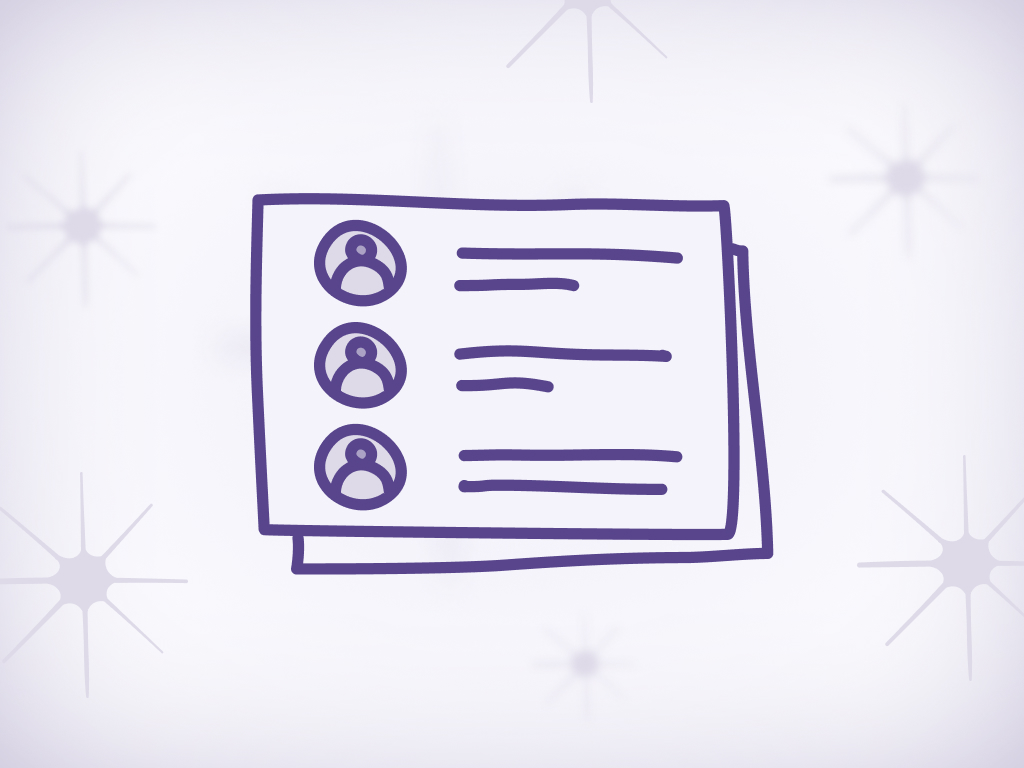
SMS Subscriber Segmentation is the process of organizing your text subscriber list into distinct groups (segments) so you can send targeted, relevant messages to each group rather than blasting the same message to everyone. Segments can be based on purchase history, product preferences, engagement behavior, geographic location, subscriber tenure, or any combination of data points.
Effective segmentation transforms SMS from a broadcast channel into a precision tool. Instead of announcing every product to your entire list, you can text your coffee enthusiasts about a new single-origin, your decaf buyers about a new decaf blend, and your gear buyers about a new grinder — each receiving only what's relevant to them.
For SMS commerce specifically, segmentation directly impacts revenue. Targeted drops sent to relevant segments convert at higher rates than broadcast messages because the product-audience fit is stronger.
Segments are typically built from several data sources. Purchase history is the most powerful: what products a customer has bought, how often, how recently, and how much they've spent. Engagement data includes message opens, replies, and click-throughs. Profile data includes location, opt-in date, and stated preferences.
Common SMS segments include: VIP buyers (high spend or frequency), product-specific buyers (purchased a specific category), new subscribers (opted in recently), lapsed buyers (haven't purchased in X days), and drop buyers (purchased from previous drops).
Once segments are defined, brands can target specific segments with specific messages: exclusive early access to VIPs, reorder prompts to product-specific buyers, welcome offers to new subscribers, and win-back offers to lapsed buyers.
Unsegmented SMS blasts train subscribers to ignore your texts. When every message feels generic, engagement drops and opt-outs rise. Segmentation keeps messages relevant, which keeps subscribers engaged and purchasing.
For drop commerce, segmentation enables VIP access strategies. Send the drop announcement to your most engaged buyers 30 minutes before the general list. This rewards loyalty and creates a tiered exclusivity that drives engagement.
Segmentation also improves deliverability and compliance. Sending relevant messages to engaged subscribers keeps your sender reputation strong with carriers, reducing the risk of filtering.
Send the right product to the right subscriber instead of blasting everyone with the same message.
Reward your best customers with early access, exclusive drops, and personalized offers based on their purchase history.
Targeted messages outperform broadcast blasts because the product-audience fit is stronger.
AudienceTap is the text-to-buy platform that powers sms subscriber segmentation for DTC brands.
No links, no carts, no checkout pages. The conversation is the checkout. See how brands sell out drops in minutes.



Weekly Coffee Drop
Purchase history (products, frequency, recency, spend), engagement (replies, opens), profile data (location, opt-in date), and behavioral signals (drop participation, cart abandonment). The most effective segments combine multiple data points.
Start with 3–5 core segments: VIPs, new subscribers, product-category buyers, active buyers, and lapsed buyers. As you learn what works, you can get more granular. Avoid over-segmenting to the point where segments are too small to be useful.
Yes — and that's the point. Sending fewer, more targeted messages performs better than high-volume blasts. You'll send less but sell more, while keeping your subscriber list healthier.
$18M+
Text-driven sales
Processed through AudienceTap
5.5%
Avg. conversion rate
Text-to-Buy campaigns
46x
Higher than link-based SMS
Reply-to-buy vs. click-to-buy
98%
SMS open rate
Messages read within minutes
Let loyalty members redeem rewards with a simple text reply — no portals or point balances.
Win back lapsed customers with a specific offer they can act on by replying — not another "we miss you" link.
Collect product feedback and preferences conversationally — customers reply instead of filling out forms.
SMS Commerce is the practice of selling products directly through text message conversations — turning SMS from a marketing channel into a sales channel.
SMS Product Drops are time-sensitive product releases sold exclusively through text messages, where subscribers reply to claim limited-edition or small-batch items before they sell out.
Zero-Party Data is information that customers intentionally share with a brand — such as preferences, purchase intent, and feedback — as opposed to data inferred from behavior.
Try a live demo on your phone
Enter your number to experience a Text-to-Buy flow firsthand.
Speak to an expert
Get a free 1-on-1 consultation with personalized setup recommendations for your brand.